GET STARTED WITH PEBLZ
Learn the PEBLZ positions and the Foundational Four with video, audio, and step-by-step instruction.
PEBLZ. Different by Design.
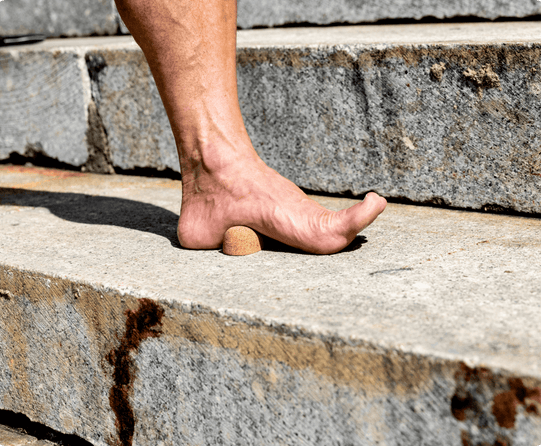
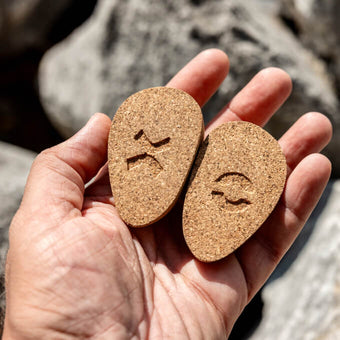
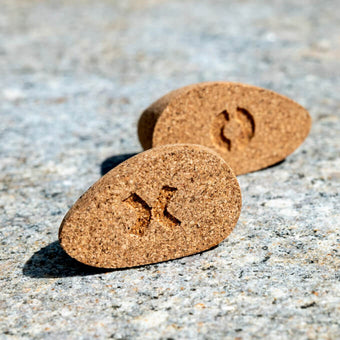
PEBLZ was shaped around the foot—not around a generic form. Every curve has a purpose—creating support and space so different parts of the foot can work independently. That precision lets PEBLZ target the heel, arch and toes in ways generic balls, rollers and wedges can’t reproduce. Instead of simply cushioning or massaging sore feet, PEBLZ asks the foot to respond—helping relieve discomfort, build stronger arches and improve function from the first session.
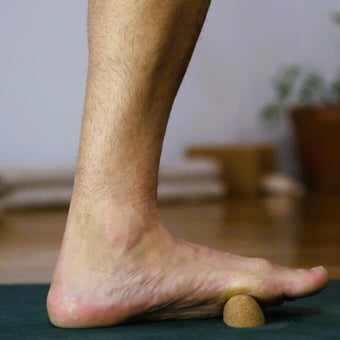
- HEEL + PLANTAR RELIEF — Target tightness through the plantar foot, heel and calf.
- ARCH STRENGTH + SUPPORT — Build active lift and stability in weak or fallen arches.
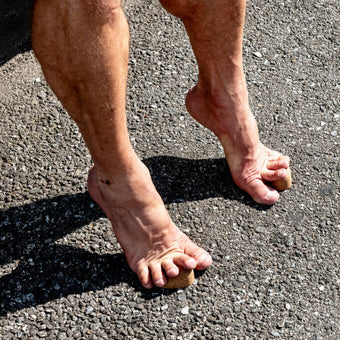
- TOE MOBILITY + CONTROL — Build strength and dexterity for a more stable tripod.
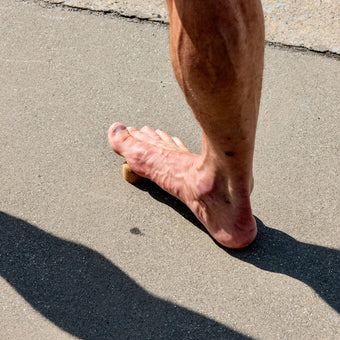
- GAIT + ALIGNMENT — Train how the foot supports the ankle, knee and hip through each step.
Form Meets Function
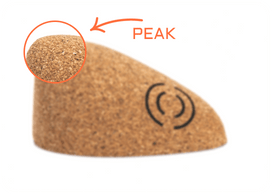
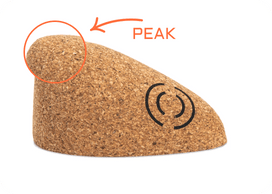
The Peak
Applies pressure with precision.
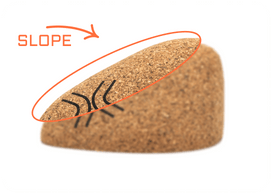
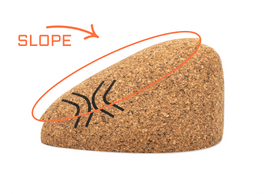
The slope
Follows the natural arch of the foot.
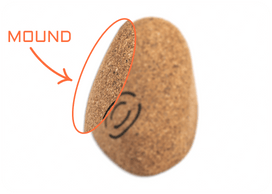
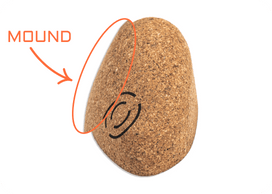
The mound
Crafted for a snug fit just in front of the heel.
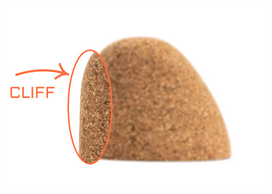
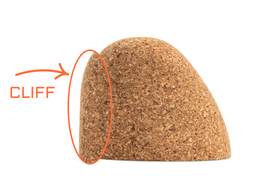
The cliff
Allows clearance to work toes individually.
FOUNDATIONAL FOUR
Four focused exercises. Four distinct goals: mobility, agility, power and control. Start with the full sequence or use the exercise your feet need most.


GET COMFORTABLE
WITH THE 3 CORE POSITIONS
Start with comfort. Small placement changes can make a big difference.

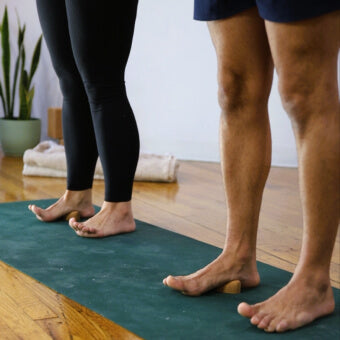
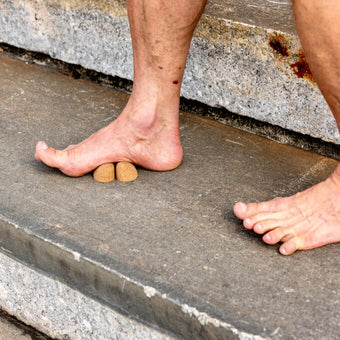
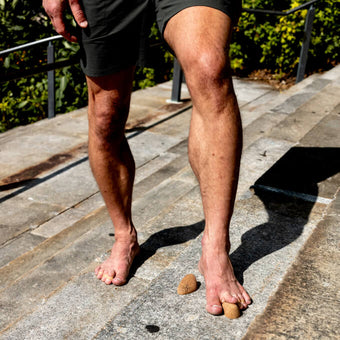
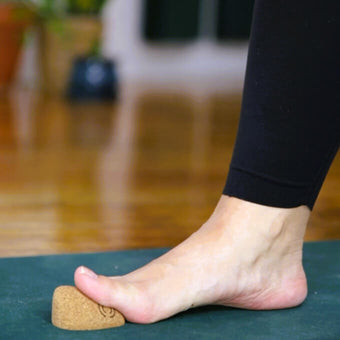
- Peak in a comfortable spot
- Under the ball of the big toe
- With the outside of the foot on the floor

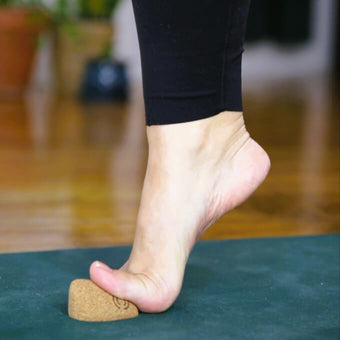
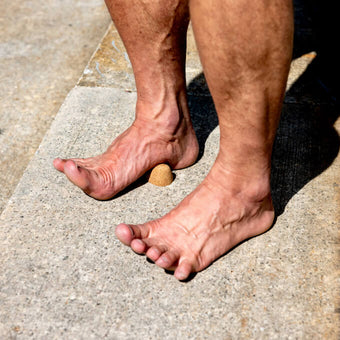
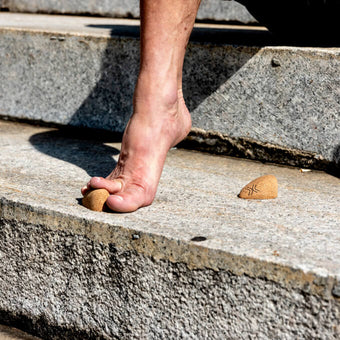
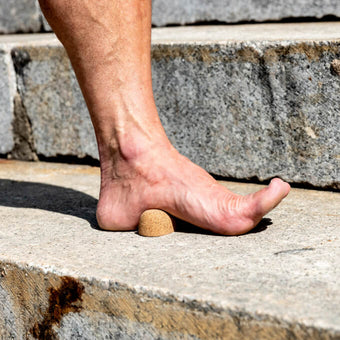
- Angled in front of the heel, lifting the arch
- Adjust the lift by moving the
- PEBL More or less under the foot

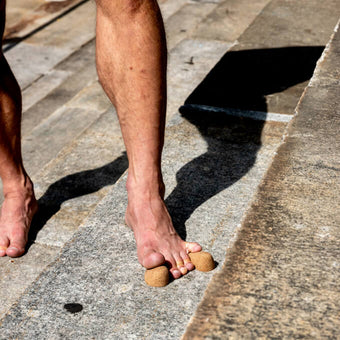
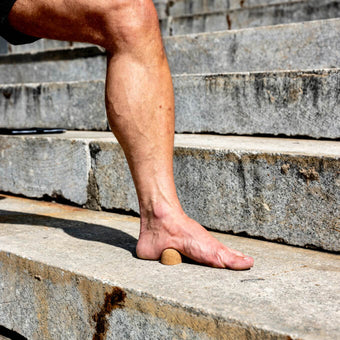
- Angled at the ball of the foot
- In line with the middle 3 toes
- With the peak in a comfortable spot
THE ORIGIN OF PEBLZ
What began as a hands-on solution became a new way to train the foot.
THE SUPPORT
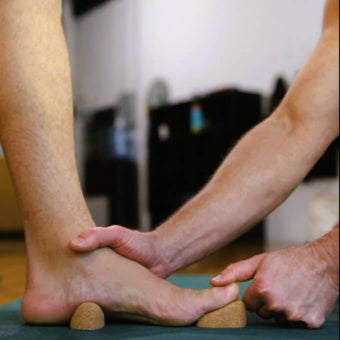
As a therapist, I was working with one client on an exercise to retrain big-toe movement. I used my hand to support the foot, creating room for more independent movement while strengthening the arch.
THE PROTOTYPES
Existing props couldn’t reproduce that support. Most were too symmetrical or bulky, so I began cutting and carving cork by hand—testing shapes, angles and contours until I could recreate that hands-on contact in a tool. It became a cycle of carve, test, adjust and repeat.
X & O
I refined these prototypes by watching how my clients’ feet responded to them. Each round showed me what to keep, what to change and where the shapes could do more. With each iteration, they got tighter and more precise until the final X and O emerged. New placements and exercises followed. What started as a solution for one specific movement proved it could adapt to different feet, different needs and far more uses than I had imagined.
Pointers on PEBLZ Exercise
Plantar foot and Calf Stretch
- Don’t lean forward; instead, shift your weight and keep your tailbone tucked
- Round 1: Keep your back leg super straight
- Round 2: Stay grounded on your outer heel
51’s
- Don’t let your ankle move side to side
- Try it seated for better control and dexterity
- Work one foot at a time and “double-prop” using the spare PEBL in the Standard Position
Arch-Pop
- Stay engaged at the ball of your pinky toe
- Adjust the PEBL to a smaller lift for easier access to the ball of your big toe
- Cramping during the exercise is OK; keep following the sequence, and it will release
Gait-Keeper
- Keep your focus straight ahead
- The bend of the knee is small, your heels are always on the floor
- Track your knees over your pinky toes
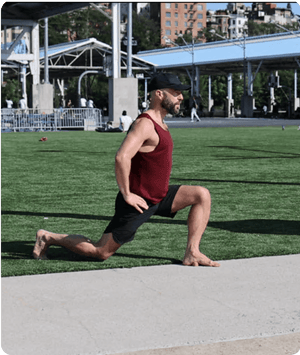

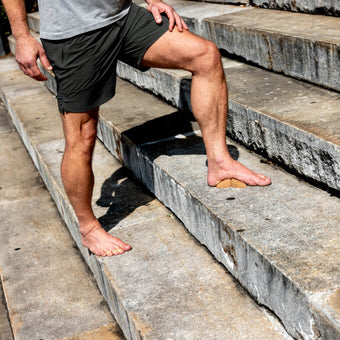
Train with better alignment. Recover with purpose. PEBLZ helps athletes organize and control the foot under load, supporting ankle, knee and hip alignment before training—and restoring mobility after the foot has been pushed hard.
Learn More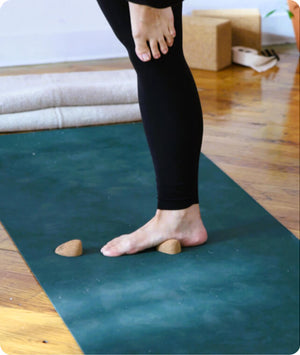

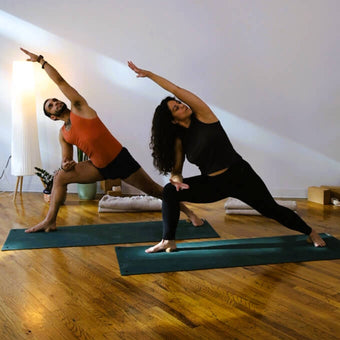
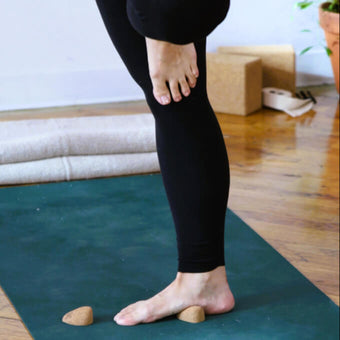
In yoga, support isn’t cheating—it’s part of the practice. PEBLZ brings that thinking to the foot with a shape designed around anatomy—not a generic block or wedge. Stay connected and supported, with the heel, forefoot and toes on the floor for standing poses, balance and alignment.
Learn More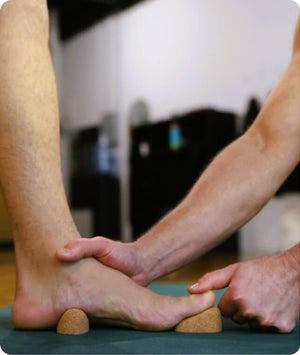

PEBLZ gives therapists a versatile anatomical tool for working with the foot—from open-chain isolation to closed-chain integration, gait and functional loading. Its adaptable design lets you tailor the work to the patient, integrate it into an existing plan of care and continue that work between visits.
Learn More